Rhuma Sinera: A Cool and Friendly Display Font for Creative Projects
I was recently tasked with creating a brand identity for a new local café called “Bloom & Brew.” The client wanted something warm, inviting, and slightly playful—something that would appeal to young professionals and families alike. As I opened my design board and started sketching out logo concepts, I knew the right font would be key. That’s when I came across Rhuma Sinera, a cool and friendly display font that immediately caught my eye.
First Impressions of Rhuma Sinera
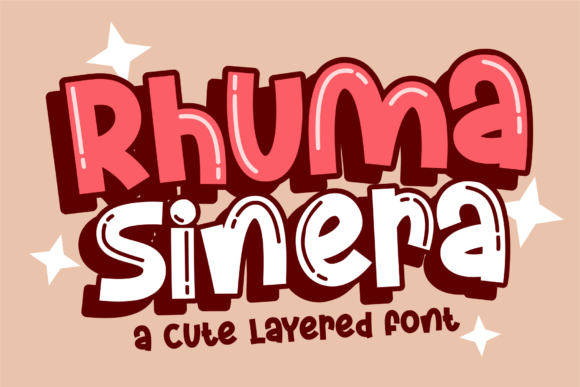
Rhuma Sinera has a soft, rounded appearance with gentle curves and a slightly whimsical feel. It’s not overly decorative but carries enough character to stand out. The letters have a light weight that feels approachable, almost like a handwritten script but more refined. It reminded me of a child’s drawing—playful yet intentional. This made it perfect for the kind of brand we were building.
I tested it on a few logo drafts. The first one had a simple circular emblem with the café name in the center. Rhuma Sinera gave it just the right amount of charm without making it look too childish. It balanced the playful tone with a sense of professionalism, which is exactly what the client needed.
Testing Rhuma Sinera in Real-World Scenarios
Once the logo was set, I moved on to other brand elements. I created mockups for shop signs, business cards, and packaging labels. On the shop sign, Rhuma Sinera worked beautifully as a headline. Its friendly vibe matched the café’s cozy atmosphere. For business cards, I paired it with a clean sans-serif font for body text, which kept everything readable while maintaining visual interest.
On product packaging, I used Rhuma Sinera for short-form text like “Freshly Roasted” or “Handcrafted Pastries.” It added a nice touch of personality without overwhelming the design. Even on Instagram posts, where the café shared daily specials, the font felt natural and engaging. It didn’t scream for attention but still held its place in the visual hierarchy.
How Rhuma Sinera Works in Branding
As a display font, Rhuma Sinera shines in situations where you want to draw attention without being too loud. It works well for logos, headlines, titles, and short quotes. It doesn’t quite have the boldness of a modern sans-serif or the elegance of a serif font, but it fills a niche perfectly—those projects that need a bit of warmth and approachability.
In this project, it helped establish a consistent brand voice. The font’s friendly nature aligned with the café’s mission to create a welcoming space. It also played well with other design elements, like illustrations and photography, without clashing or overpowering them.
One thing I noticed was how well it performed on different materials. Whether it was printed on a wooden menu board or displayed digitally on a website header, Rhuma Sinera maintained its clarity and charm. It’s versatile enough to work across multiple formats, which is always a plus for any branding project.
Font Pairing and Practical Tips
When working with Rhuma Sinera, I found that pairing it with a contrasting serif or sans-serif font helped balance the design. For example, using it alongside a clean sans-serif like Montserrat for body copy created a nice contrast in texture and weight. This combination kept the brand identity fresh while ensuring readability across all platforms.
If you’re considering Rhuma Sinera for your own project, I recommend testing it early in the design process. Try it out on different surfaces—paper, screen, signage—and see how it behaves in various contexts. Also, check if the font includes alternate characters or ligatures that could enhance your designs further.
Don’t forget to review the licensing terms, especially if you plan to use it in commercial projects. Ensuring you have the right permissions will save you from potential headaches down the line.
Final Thoughts on Using Rhuma Sinera
Overall, Rhuma Sinera proved to be an excellent choice for the Bloom & Brew project. It brought a sense of warmth and friendliness to every element of the brand, from the logo to the packaging and social media content. Its versatility made it easy to integrate into a cohesive brand system, and its readability ensured that the message stayed clear and professional.
If you're working on a project that needs a touch of personality without sacrificing style, Rhuma Sinera might just be the font you're looking for. It’s a great option for anything from small boutiques to creative studios—anywhere a friendly, approachable typeface can make a difference.